What to Look For and What to Avoid When Choosing a Skincare Product
In today’s oversaturated skincare market, choosing the right product is unnecessarily complicated. Labels are filled with jargon, marketing terms are unregulated, and the gap between promises and performance is often wide.
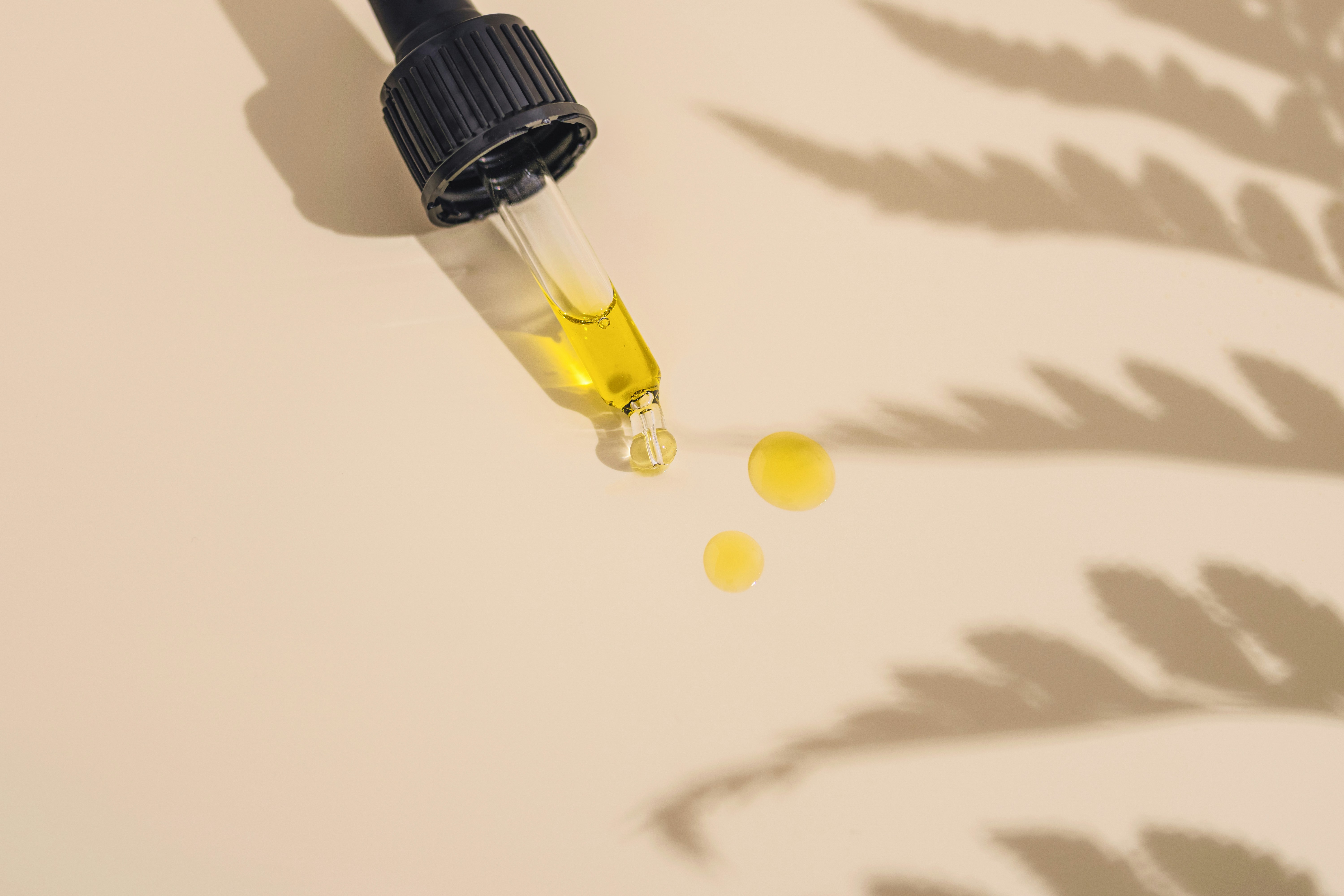
This guide offers a clear, practical method for choosing skincare that works for your skin — not just what’s trending. You’ll learn how to read ingredient labels, what ingredients to avoid based on skin type, and how to find the best product for your concern. You’ll also see how Rosel simplifies the process with benefit cards and red flag warnings.
How to Read a Skincare Product Label
| Tip | What It Means |
|---|---|
| First 5 Ingredients | They make up 80–90% of the formula. Key actives should appear near the top. |
| Functional Ingredients | Look for ingredients that solve a concern (hydration, exfoliation, etc.) |
| Fragrance | Avoid it if you have sensitive or acne-prone skin — it often causes irritation. |
| Ignore Buzzwords | Terms like “non-comedogenic” are unregulated. Focus on the formula, not slogans. |
Ingredients to Avoid Based on Skin Type
For Oily / Acne-Prone Skin
- Coconut oil
- Isopropyl myristate / Myristyl myristate
- Lanolin
- Fragrance and essential oils
For Dry Skin
- Sulfates (e.g. sodium lauryl sulfate)
- Alcohol denat.
- Clay masks (used frequently without rehydration)
For Sensitive Skin
- Fragrance and parfum
- Citrus oils, eucalyptus, menthol
- Harsh preservatives (like methylisothiazolinone)
- Unbuffered exfoliants or peels
Best Product for Your Concern
| Concern | Look For | Avoid |
|---|---|---|
| Acne & Oiliness | Salicylic acid, niacinamide, zinc | Coconut oil, fragrance, heavy oils, alcohol |
| Dryness & Flaking | Hyaluronic acid, ceramides, panthenol, squalane | Sulfates, fragrance, astringent toners |
| Redness / Irritation | Centella Asiatica, oat extract, panthenol | Fragrance, citrus oils, alcohol denat. |
| Dullness / Uneven Tone | Vitamin C, lactic acid, niacinamide | Abrasive scrubs, excessive active layering |
How Rosel Makes This Easier
1. Benefit Cards
Each product includes a short, clear explanation of why it fits your needs.
Recommended for oily skin with breakouts. Includes 2% salicylic acid and niacinamide.
Supports dry, irritated skin. Contains ceramides and panthenol, no added fragrance.
2. Red Flag Warnings
Rosel flags potentially problematic ingredients for your skin type before you even consider buying.
Contains coconut oil and isopropyl myristate. May clog pores for acne-prone users.
Includes fragrance and alcohol denat. Not suitable for sensitive or barrier-damaged skin.
Conclusion: Smarter Skincare Starts Here
You don’t need more research or more products. You need better decision tools.
Use this guide to:
- Understand what your skin needs
- Read product labels confidently
- Avoid ingredients that don’t work for your skin
And when you're ready, let Rosel do the hard part for you. Our benefit cards and red flag warnings make shopping faster, safer, and more personal.
No guesswork. No overhyped trends. Just products that work for you.
Ready to find the right products for your skin?
Stop guessing and start making confident decisions. Let Rosel build a personalized routine just for you.
Try Rosel now →Recommended Articles
Why Skincare Shopping Feels So Overwhelming and How to Fix It
The real problem isn't that shopping is hard—it's that deciding is. Here's how we're changing that.
The Smart Way to Build a Skincare Routine, Based on Your Skin, Not the Trends
If you've ever felt overwhelmed trying to build the perfect skincare routine, you're not alone. Here's how to build one that actually works for your skin.